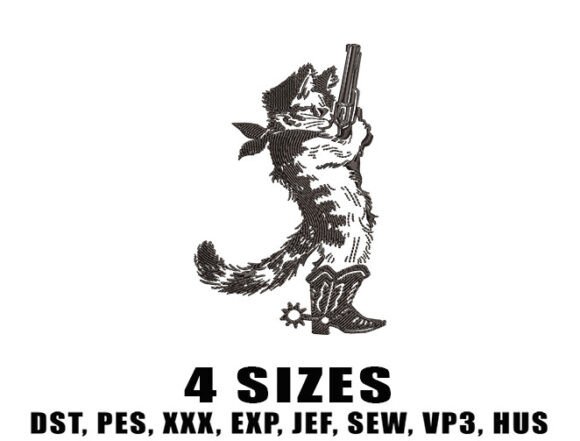
Cowboy Cat
First Impressions: Charming, Playful, and Booth-Ready
As an embroidery designer prepping for a weekend craft fair, the Cowboy Cat design immediately caught my eye. The name alone sparks curiosity, and the product description promises a fun, whimsical touch for a variety of handmade items. At first glance, this feels like a bold yet cute design—perfect for adding personality to tote bags, tea towels, and more. It leans into a farmhouse-meets-fun aesthetic, which is a crowd-pleaser at local markets and Etsy shops.
Product Placement: Where Does Cowboy Cat Shine?
Let’s break down where this design would stand out most in a handmade booth setting:
- Tote Bags: As a focal point on a medium-sized tote, Cowboy Cat brings charm and instant recognition. Customers love quirky designs that spark conversation.
- Aprons: Especially kid-sized or boutique-style aprons. The playful vibe of the design pairs well with kitchen wear meant for fun, family-friendly use.
- Tea Towels: A single embroidery on a rustic or linen-style tea towel adds decorative flair without overwhelming the fabric.
- Embroidered Patches: This could work well as a small appliqué patch, especially for denim jackets or backpacks. It’s recognizable and fun at a smaller scale.
- Pillow Covers: Centered on a 16x16 pillow, it becomes a statement piece that draws attention and complements farmhouse or rustic interiors.
Visual Impact: How It Performs in Person and Online
From a design standpoint, Cowboy Cat should be instantly readable. The key to success at a craft fair is having products that catch the eye from across the room. This design needs to be bold enough to do that, yet detailed enough to intrigue upon closer inspection.
For online sellers—especially Etsy sellers and digital crafters—this design should photograph well. Whimsical designs like this tend to translate nicely into printable mockups and lifestyle photos, especially when styled with rustic or western-themed props.
Production Practicality: Easy to Batch or a Stitching Challenge?
When evaluating a machine embroidery design for batch production, I always ask: Is it efficient? Is it scalable? Does it maintain its charm across different fabrics?
Cowboy Cat seems like a solid candidate for repeat production, assuming the stitch density is manageable. However, there are a few red flags to watch for:
- Dense stitch areas: Could cause puckering on lightweight fabrics. Always test on scrap material first.
- Tiny details: Facial features or small accessories may not hold up well on textured towels or thick denim.
- Dark fabric: If thread contrast isn’t strong, the design may get lost on black or navy items.
- Small scaling: If used as an accent on patches or pouches, ensure the design doesn’t become too vague or lose its charm.
Best Fabric and Product Pairings
Here’s how I’d match Cowboy Cat with materials and items:
- Cotton or Canvas: Ideal for tote bags and aprons. Smooth surface lets the design shine.
- Linen or Waffle Weave Towels: Adds a rustic, handmade feel to kitchen textiles.
- Medium-weight Denim: Great for patches, pouches, and jacket appliqués.
- Flat-weave Pillow Covers: Ensures the design doesn’t get lost in texture.
- Light to Medium Caps: Avoid curved surfaces unless the hoop allows for it. Stick to front-panel embroidery for best clarity.
Commercial Use and Licensing Considerations
If you’re planning to sell finished products at a craft fair or online, always confirm the commercial embroidery license for the digital embroidery file. Many designers overlook this, assuming that purchasing a design grants full rights. Always double-check with the file provider before mass production.
Design Testing: What Every Embroidery Crafter Should Do
Before embroidering ten tote bags or twenty tea towels, here’s what I recommend:
- Test on scrap fabric: Try it on a few different textures and colors.
- Check thread contrast: Ensure the design stands out clearly on your chosen fabric.
- Review spacing and alignment: Especially important if you’re layering text or combining with other design assets.
- Confirm hoop size: Make sure it fits your machine and is appropriate for the product size.
- Inspect stitch density: Avoid overly tight areas that may pucker or distort the fabric.
- Use the right stabilizer: This can make or break the final look, especially on stretchy or textured materials.
- Create a real mockup: Don’t rely solely on digital previews. See how it looks in person on your actual product.
Booth Display Tips: How to Showcase Cowboy Cat
At a busy craft fair, your booth must stand out fast. Here’s how to feature Cowboy Cat for maximum impact:
- Group similar items together—like a display of cowboy cat tote bags and matching tea towels.
- Use signage that says “Whimsical Western Vibes” or “Farmhouse Fun” to attract attention.
- Include a sample embroidered patch on a denim jacket to show versatility.
- Place a few items on a rustic wooden crate or hanging on a clothesline for a farmhouse look.
- Include a small sign with “Handmade with Love” or “Designed for Craft Lovers” to highlight the handmade quality.
Final Thoughts: Is Cowboy Cat Worth the Stitch?
Yes—if used thoughtfully. Cowboy Cat has strong visual appeal and the potential to become a standout item in your small shop product lineup. It resonates with customers who love a touch of humor and charm in their home goods and apparel.
For creative entrepreneurs, embroidery business owners, and Cricut crafters, this design offers flexibility across product types and a chance to tap into a growing market for quirky, themed handmade items. Just remember to test thoroughly, choose fabrics wisely, and ensure your embroidery file is fully licensed for commercial use.
In the end, Cowboy Cat isn’t just a design—it’s a potential bestseller for your craft fair booth or online shop, if stitched with care and showcased with personality.